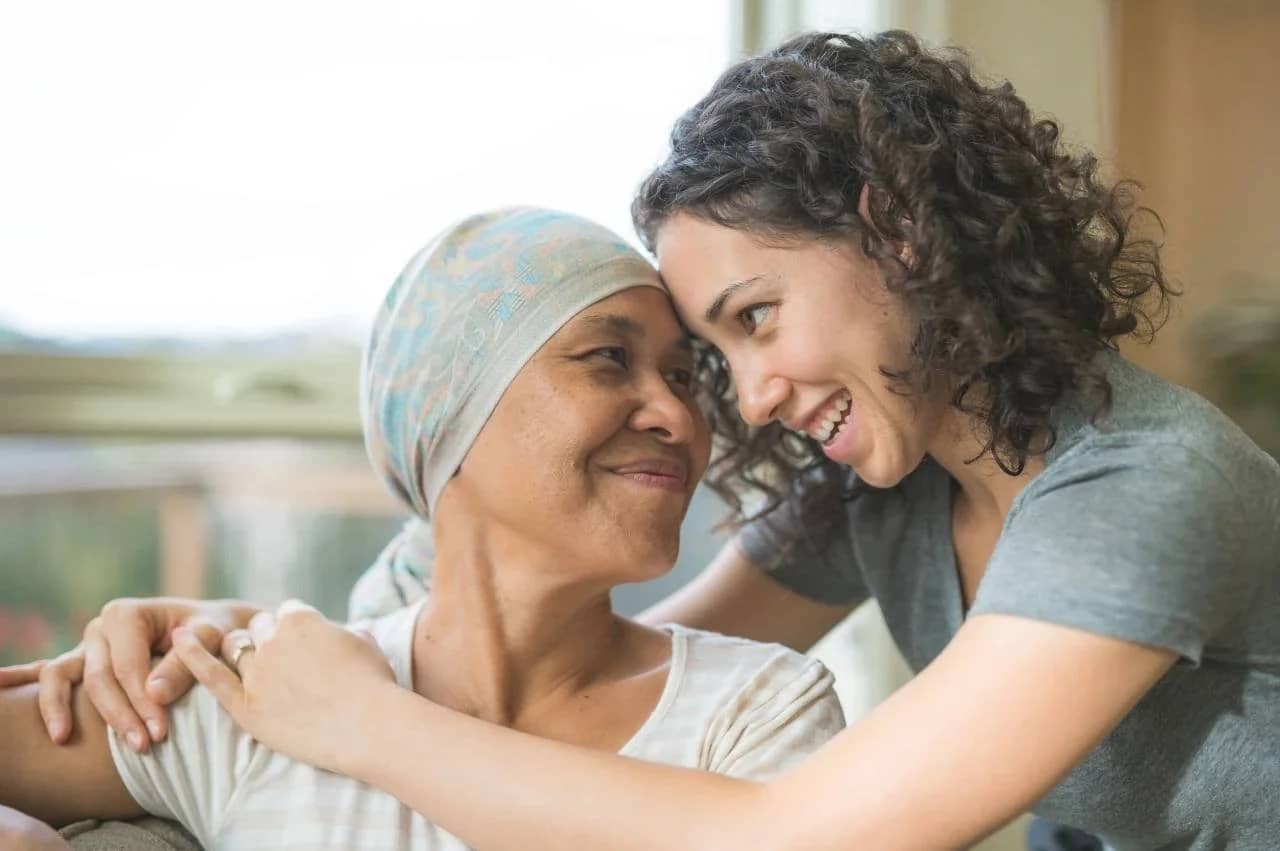
A community for patients and families: real stories, practical at‑home care tips, and small moments of mindfulness—so you can feel supported, understood, and less alone.
Individual results may vary. Please consult your doctor for medical advice.
A tiny daily ritual to name how you feel, save small wins, and stay connected. More like a social diary—less like a tracker.
Pick a word for your mood—no need to explain unless you want to.
A message you sent, a walk you took, a meal you finished—save it.
Music, breathing, a friend—note what made today a bit easier.
Write one gentle sentence you want to remember.
A small habit that helps you feel less alone
TCM may complement cancer care with supportive practices focused on comfort, daily routines, and quality of life.
Complementary suggestions for nutrition, sleep, mood and daily comfort—meant to support you alongside your clinician’s plan.

Ease nausea, hair loss, fatigue, pain from chemo/radiation so your cancer journey is more comfortable.

We focus on living well with cancer, not forced cure—better quality of life throughout your journey.

Mindfulness and emotional support can ease anxiety and help you feel steadier—consider professional mental health support when needed.

Small moments, honest feelings, everyday routines—real notes from patients and families as they navigate life with cancer.
"Some mornings are heavy. I started writing one sentence a day and taking a short walk. The fear doesn’t vanish, but it gets a little quieter."
Resources to support day‑to‑day care and wellbeing—no cost or subscription required.
Join a caring space to share your day, ask questions, and feel understood—at your own pace.

Supportive care notes for different cancer types and common day‑to‑day needs.
Practical TCM tips for nausea, hair loss, fatigue and other treatment side effects.

Nutritional recipes by category: easy to digest, nourishing, comfort-focused.
Practical tips for caring for cancer patients, including TCM diet and emotional support.
Safe, gentle exercises for cancer patients to maintain strength and wellbeing.
Everyday care ideas for comfort and routine—use what feels safe and talk to your clinician when unsure.
Cancer pain severely affects quality of life. TCM can support pain relief alongside conventional treatment. Evidence supports use of LI4, ST36 and similar points for cancer pain.
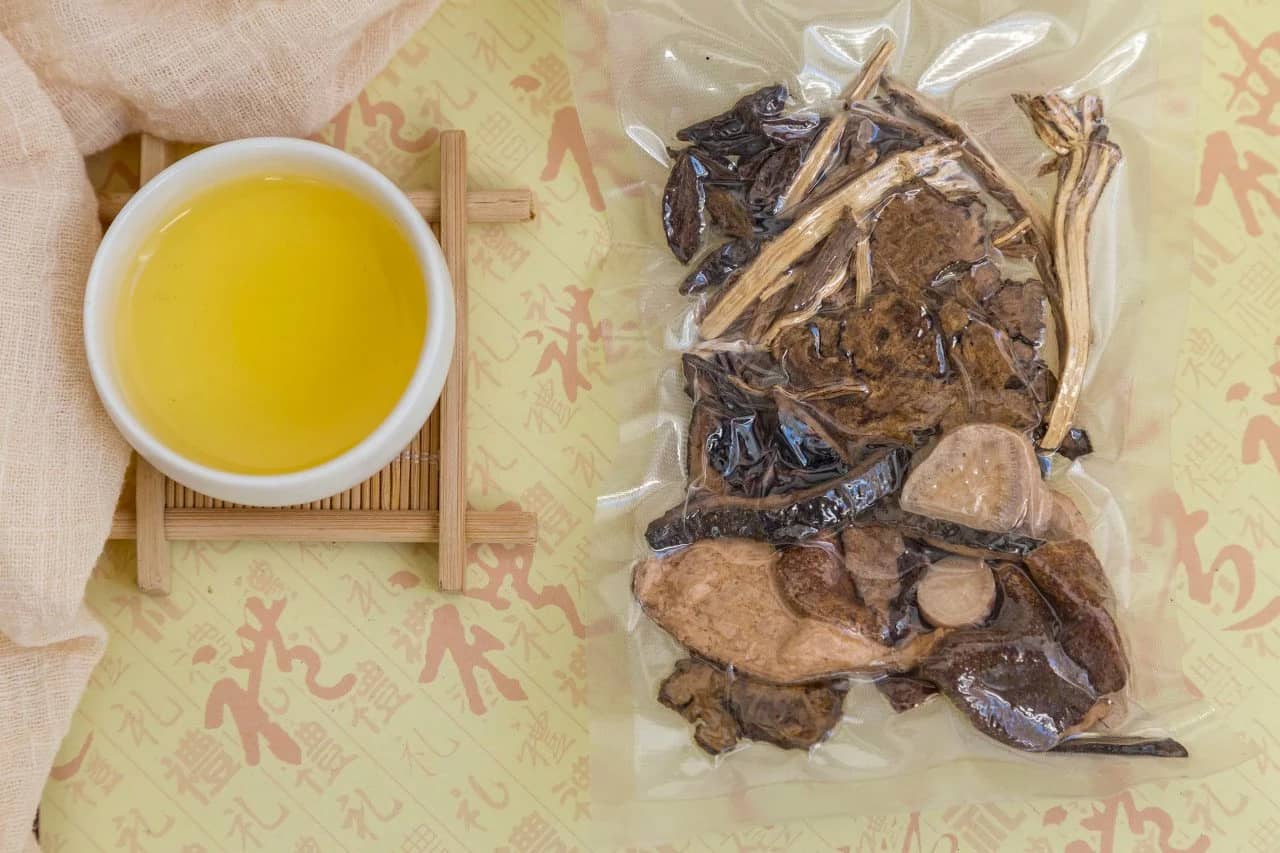
Some Chinese herbs have analgesic effects and can reduce pain level and frequency.
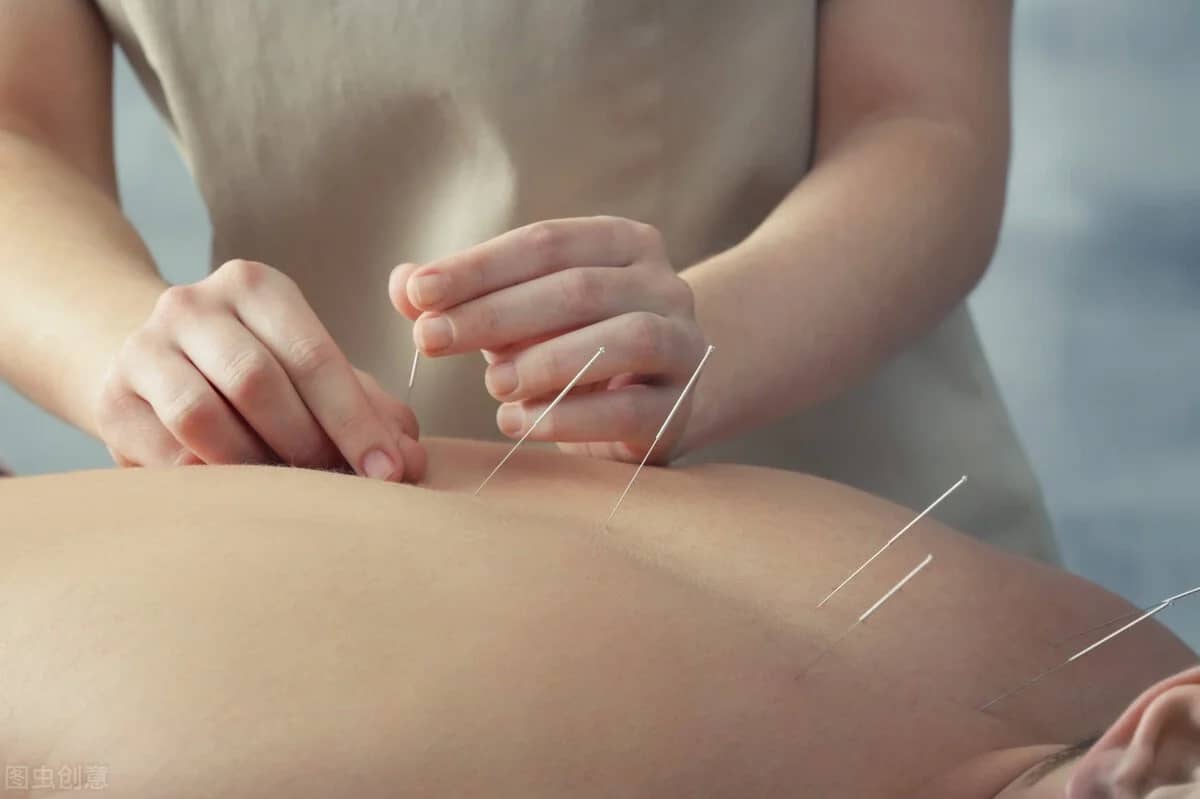
Acupuncture can promote endorphin release; guidelines support it for moderate–severe cancer pain. LI4, ST36, BL23 are often used.
Gentle massage relaxes muscles, improves circulation and lowers pain sensitivity—suitable for cancer patients.

Between thumb and index, on the back of the hand.
How to use:Press firmly 1–2 min per hand, several times daily.
Helps: headache, facial pain, general pain

About 3 cun below the kneecap, lateral to the tibia.
How to use:Press 1–2 min each leg, twice daily.
Helps: abdominal pain, fatigue, vitality
Connect with other patients, share experiences, and find emotional support in a caring community.
Sharing my experience combining TCM during chemo. Herbs really eased nausea and fatigue; side effects remain but are more manageable……
Treatment caused severe appetite loss. Has anyone tried specific herbs or diet to improve appetite? Thanks……
After breast cancer surgery I looked for complementary rehab. My TCM practitioner suggested herbs and gentle exercise—really helped recovery and mood……
Started learning acupressure after diagnosis, especially Hegu and Zusanli. It’s been a real help for pain management……
Ask TCM experts about cancer care and symptom management.
Hear from survivors who integrated TCM into their care.